To make a module warranty claim or sign the final acceptance certificate (FAC) with confidence, you need every affected module identified, located and documented before the relevant window closes. A partial inspection leaves value on the table: in measured cases where the same plant was inspected on foot and by drone, the drone found between 2 and 6 times more affected modules.
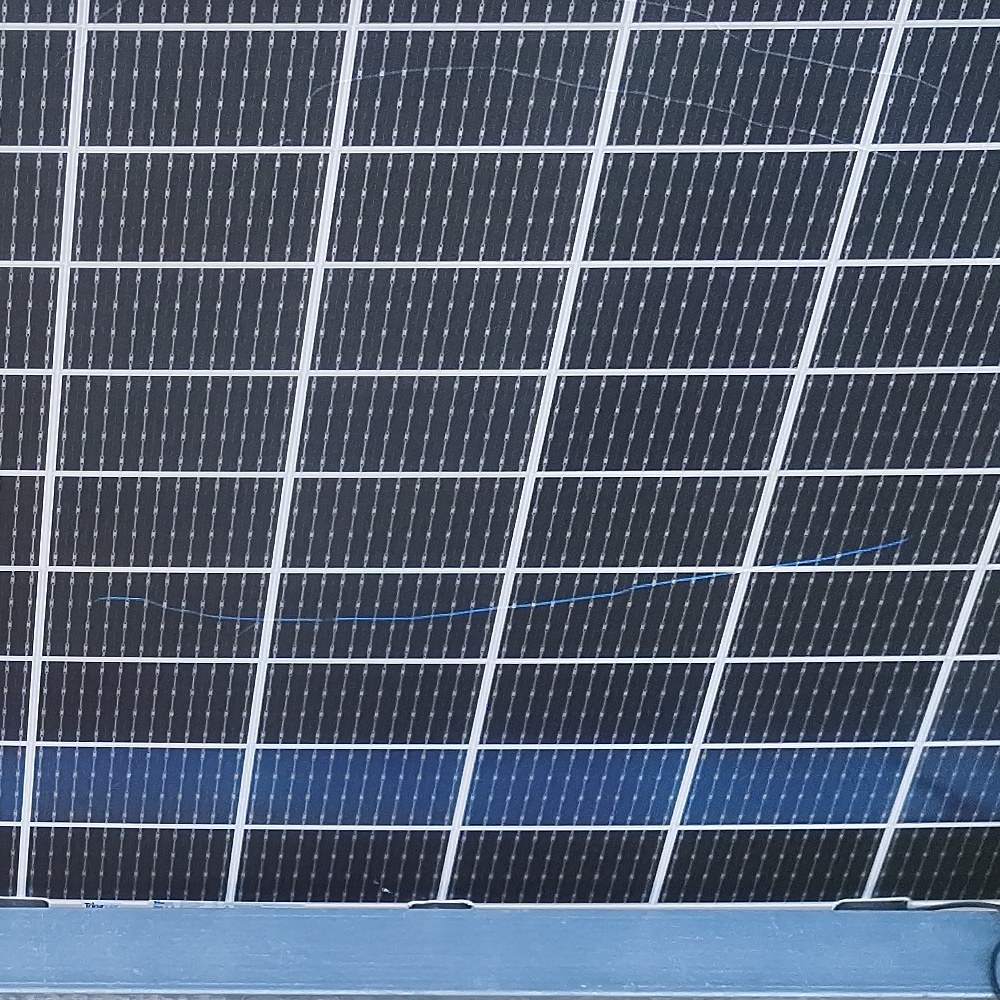
This guide explains why the window matters, what evidence a claim usually needs and how to build a defect record that holds up in front of a manufacturer, an EPC or an O&M provider.
Why the window matters
Warranties and acceptance milestones have dates. Module product warranties cover manufacturing defects for a limited period, and the FAC usually marks the moment when the EPC's responsibility for defects ends. A defect that is not identified and documented before that date is likely to become a cost for the owner: replacement, lost production or a weaker negotiating position. Check the exact terms of your contracts, because conditions vary by manufacturer and project.
What evidence a claim usually needs
Requirements depend on the manufacturer and the contract, but a solid claim usually includes, for each affected module:
- Identification: the module's position in the plant (block, table, string, position) and its serial number when the plant keeps a module-to-position map.
- Evidence of the defect: a clear image of the damage (for example, backsheet cracks or broken glass) and, where relevant, thermal evidence.
- Date: when the defect was detected, to place it inside the warranty or acceptance period.
- Scope: which part of the plant was inspected and which areas were not evaluated, so the count can be trusted.
- Classification: a consistent defect type across the plant, so that the manufacturer can assess the pattern and not just isolated modules.
Manufacturers may also ask for additional tests, such as electrical measurements or laboratory analysis of samples. The inspection record is the basis on which those steps are planned.
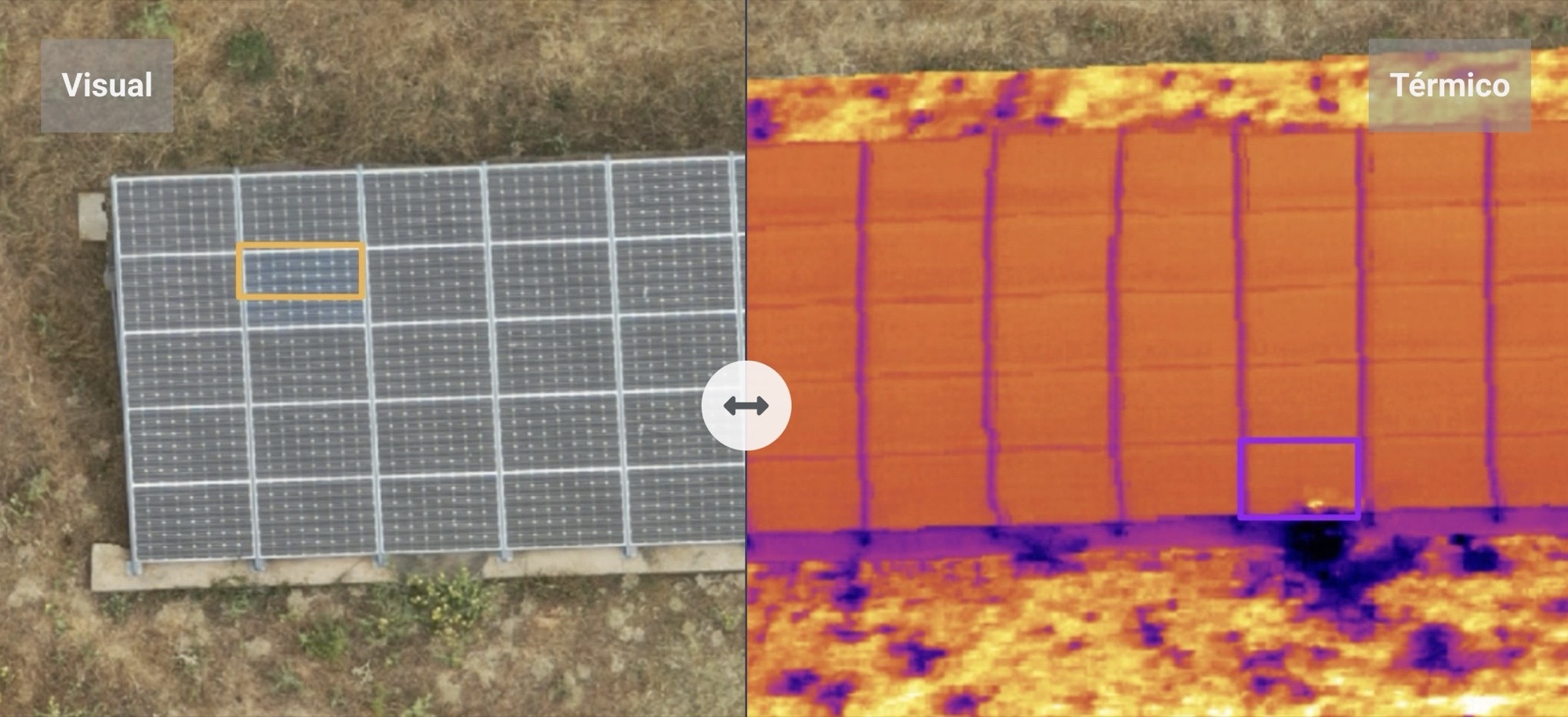
Walk-down inspection versus drone inspection: measured cases
Solardrone has compared both methods at the same plants:
| Plant | Defect | Found on foot | Found by drone | Ratio |
|---|---|---|---|---|
| Plant A | Modules with broken glass | 722 | 1,567 | 2.2× |
| Plant B | Affected modules | ~1,000 | ~6,000 | ~6× |
In the plant B case, the economic value of the additional modules depends on the warranty claim, which is not yet resolved. These ratios describe two real plants and do not predict the result at another one; they show why full coverage matters when every affected module counts.
How to build a defect record that holds up
- Inspect the whole plant, not a sample. A claim is about the number of affected modules; sampling underestimates it.
- Capture visual and thermal evidence. Backsheet cracks and broken glass are visual defects; many electrical defects are thermal. You need both to see the full picture.
- Locate every finding at module level. Link each finding to its position and, where possible, to its serial number.
- Classify consistently. Use the same defect categories across the plant and across inspections.
- State the scope. Document which areas were inspected and which were not, and why.
- Follow the claim to verified replacement. After the manufacturer or EPC acts, check with new evidence that each module was replaced or repaired, and close the finding only then.
Before signing the FAC
Before accepting a plant, the owner should know which defects are still open and be able to show them to the EPC with location and evidence. A pre-acceptance inspection with full coverage turns the FAC from a formality into an informed decision: accept, accept with a list of open items, or ask for corrections first.
How Argos by Solardrone helps
Argos by Solardrone helps owners and O&M providers detect and document defects within the applicable warranty or acceptance window, with the location and evidence each claim needs, and later check that the corrections were made. The value finally recovered depends on eligibility, the claim and its resolution. Solardrone has been inspecting solar plants since 2017, analyses more than 400 plants a year and has analysed more than 15 GWp. See the Argos FAQ or request a free personalised study.